Tag: 2026

  • Stockhausen

    Stockhausen

    [vc_row][vc_column][vc_column_text]Karlheinz Stockhausen (1928–2007)
    Michaels Reise um die Erde (1978)
    Act 2 of Donnerstag aus Licht
    Opera in three acts, a greeting and a farewell
    Concert performance

    Karlheinz Stockhausen is considered as the inventor of pointillist music and moment form. The major representative of serialism was a pioneer of aleatoric and electronic music and also of abstract spatial composition. He acted as an unparalleled primary influence within the sphere of European post-war modernism, viewing the “zero hour” after the destruction during World War II as a historic opportunity for a radical new beginning. In his opera cycle Licht (Light), composed between 1977 and 2003 with the seven segments corresponding to the seven days of the week, he created a syncretic world theatre of creation with a total duration of around 29 hours, revolving around the archangel Michael, his adversary Lucifer and the ‘maid of the stars’ Eva in a monumental Gesamtkunstwerk of superlatives. The solo trumpet in Michaels Reise um die Erde represents the protagonist during a symbolic excursion into his own ego in which the music is a stylistic recreation of its individual stages (including Japan, Bali, India and central Africa). In Jerusalem, Michael finally encounters Eva with whom he becomes musically amalgamated in a “dense trill” (Stockhausen) in Himmelfahrt.[/vc_column_text][/vc_column][/vc_row][vc_row][vc_column][vc_single_image image=”2022″][/vc_column][/vc_row]
  • Holistic notation study

    Holistic notation study

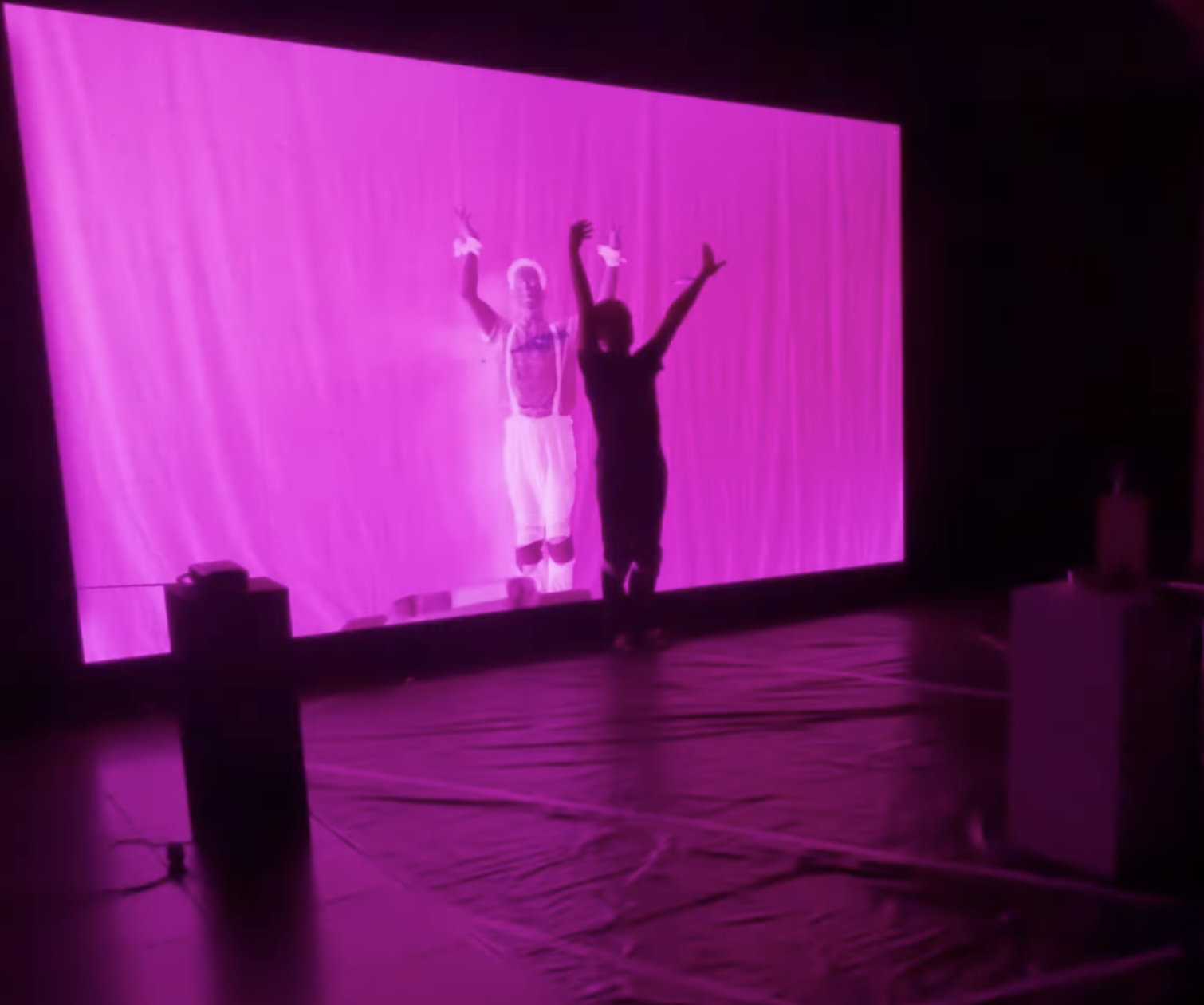
    [vc_row][vc_column][vc_column_text][/vc_column_text][/vc_column][/vc_row][vc_row][vc_column][vc_single_image image=”2022″][/vc_column][/vc_row][vc_row][vc_column][vc_column_text]The interdisciplinary score N. 34 Holistic notation study II {Mechanical spectra} fuses contemporary dance with video and experimental sound art. It is based on the two treatises Extended Notation and Holistic Notation, in which methods of notation for electroacoustic music, new media art and all types of human movement are developed.

    At the same time, the work takes a look into a future where humanoid robots populate the world and have become artistically active. The aim of the work is to encourage them to perform dance movements on stage. The piece is divided into two parts – a video work and a stage piece. The video work is recorded by six cameras, while the dancer performs in front of a green-screen. For the stage piece, the green-screen is replaced by a massive LED screen.[/vc_column_text][/vc_column][/vc_row]

  • CHANEL Commission

    CHANEL Commission

    [vc_row][vc_column][vc_column_text][/vc_column_text][/vc_column][/vc_row][vc_row][vc_column][vc_single_image image=”2022″][/vc_column][/vc_row]
  • bbrrmm.

    bbrrmm.

    [vc_row][vc_column][vc_column_text]

    Land-Schaf(f)t-Gras
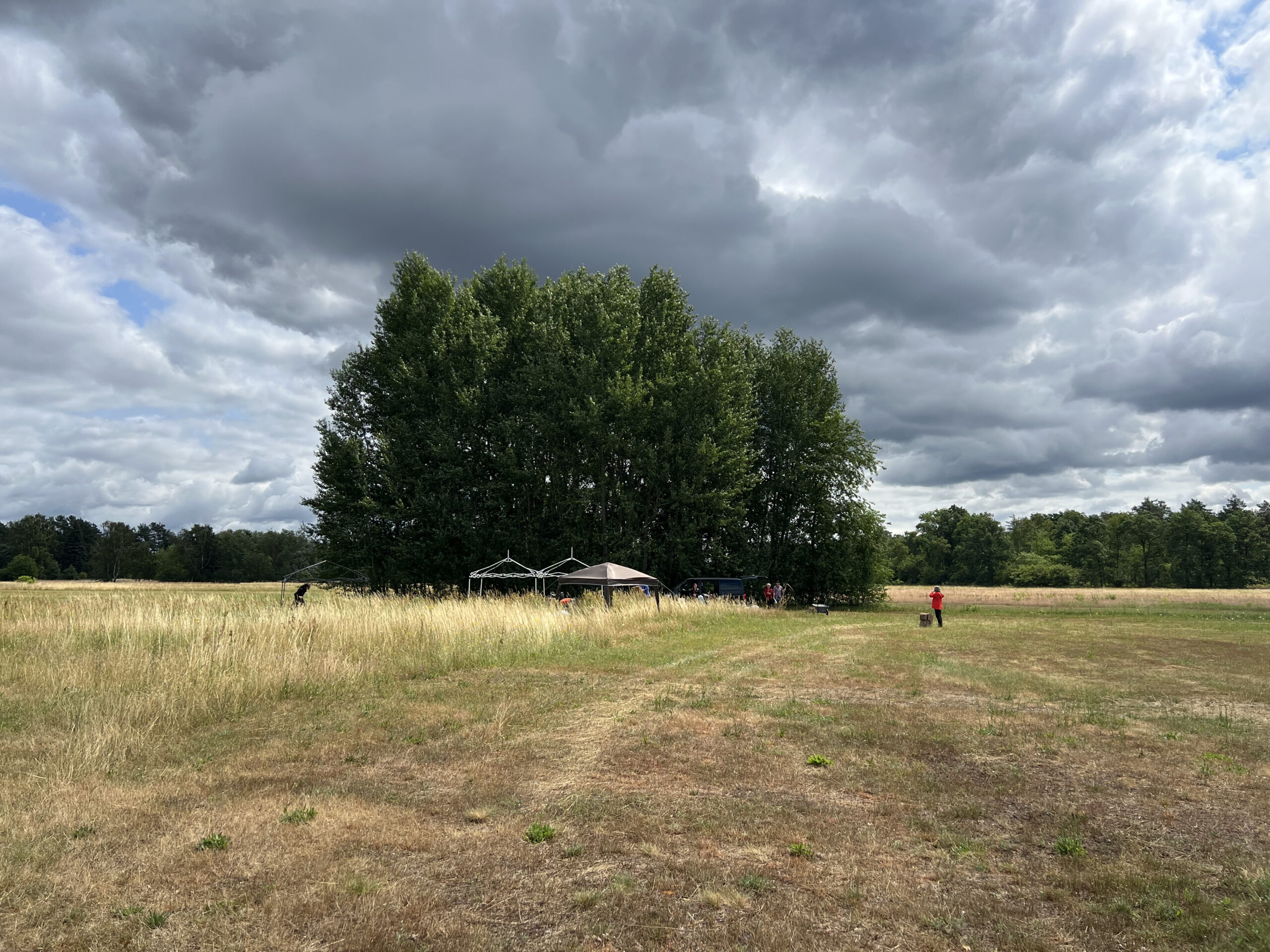
    “bbrrmm. A Sound Utopia in the Countryside for Two Cellos and Three Nature-Controlling Instruments”

    In his composition, Alex Nowitz stages the art of listening and responding—to the sounds of nature and fellow performers. The sound of the cello merges with the surrounding soundscape, while a tractor, a lawn mower, a chainsaw and a scythe become sensitive musical instruments. Following the instructions of a text-based score, the cellists compose in real time, creating a complex, noisy sonic texture that interacts with the sounds of the environment.[/vc_column_text][/vc_column][/vc_row][vc_row][vc_column][vc_single_image image=”2022″][/vc_column][/vc_row]
  • Lange Nacht für EA

    Lange Nacht für EA

    [vc_row][vc_column][vc_column_text]

    Ernstalbrecht Stiebler, from the mid-1960s onward, reduced a few sounds to even fewer, composing his music for a small circle of musicians with whom he maintained an active exchange. In doing so, he distilled what was essential to his work: invitations to listen, ever-new formulations of the idea of an inner auditory space that he invites the listener to enter. With a calm intensity, Stiebler’s music turns toward the single tone, fluctuation, and interval, giving rise to a music that may seem foreign while making an unfamiliar space perceptible. His music does not lend itself to emotional projection. In a conversation, he stated:

    “Music is too important to be burdened with emotions.”

    Thus, his pieces are usually sequences of quiet steps into the open—highly precise despite their freedom. Through the means of repetition, they become continuous acts of bringing the here and now into presence. Stiebler pursued a path that is nearly singular within Western contemporary music since the mid-20th century, related to John Cage, Morton Feldman, and Giacinto Scelsi, as well as to composers of his generation such as Christian Wolff, James Tenney, and La Monte Young. With persistence and depth, he followed an artistic path that a younger generation of musicians, composers, and listeners is now approaching.

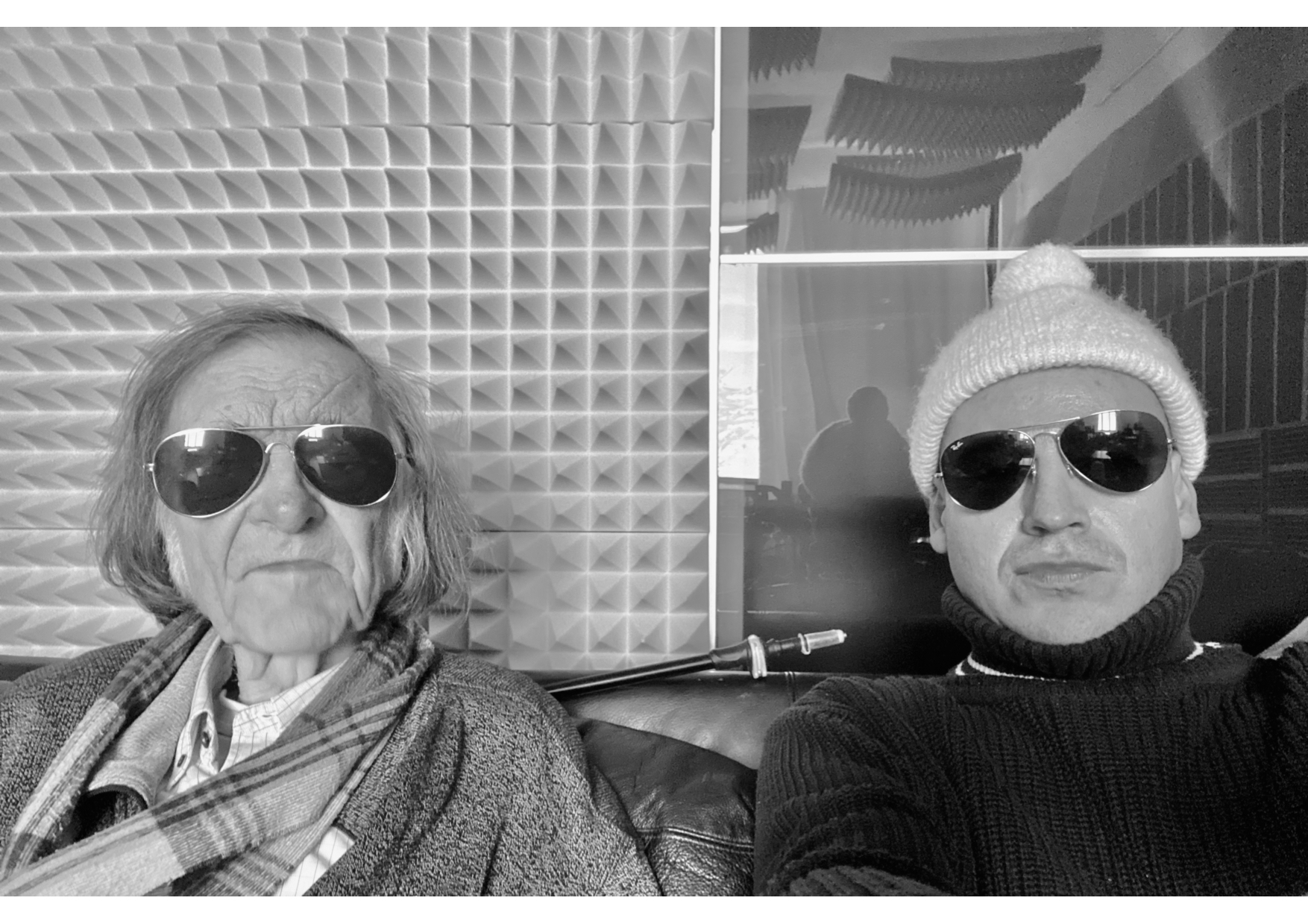
    In 2024, we (Biliana, Hauke and I) organized the EA:90 festival to mark Ernstalbrecht Stiebler’s 90th birthday. The festival was largely shaped by musicians who were very close to Stiebler and who had worked on his music with him over many years, in some cases since the 1990s. Unfortunately, Ernstalbrecht Stiebler was unable to attend the festival and passed away a few weeks later. Among his estate are works that have not yet been performed, which Stiebler dedicated to musicians from the festival circle and on which he had already worked with them; these form a central component of The Long Night for EA.

    The concert combines music and film. It includes the aforementioned premieres, two important works from the 1980s, as well as an extended piece for cello and delay.[/vc_column_text][/vc_column][/vc_row][vc_row][vc_column][vc_single_image image=”2022″][/vc_column][/vc_row]